
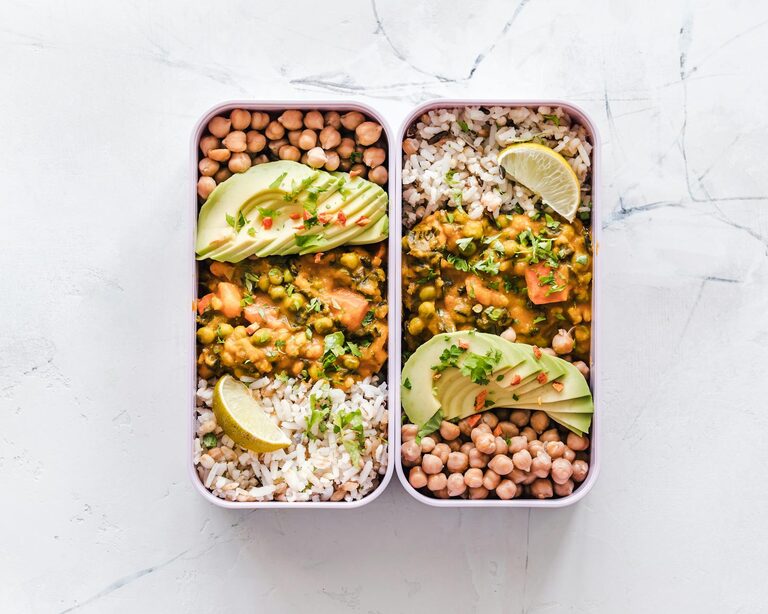
Planning balanced meals doesn’t have to be complicated or stressful. Whether you’re cooking for yourself, your family, or a group, creating meals that nourish your body and please your palate is achievable with some simple strategies. In this post, we’ll explore practical tips to help you plan healthy, balanced meals effortlessly.
Why Balanced Meals Matter
A balanced meal provides the right proportions of macronutrients — carbohydrates, proteins, and fats — along with vitamins, minerals, and fiber. This combination supports energy, promotes good health, and helps maintain a healthy weight. When meals are balanced, you feel fuller longer and are less likely to overeat.
Step 1: Understand the Plate Method
One of the easiest ways to visualize a balanced meal is using the plate method:
– Half the plate: Fill with colorful vegetables and fruits.
– Quarter of the plate: Include lean proteins, such as chicken, fish, beans, or tofu.
– Quarter of the plate: Add whole grains like brown rice, quinoa, or whole wheat pasta.
– Add healthy fats: Include small amounts of unsaturated fats like olive oil, nuts, or avocado.
This simple guideline helps you combine food groups in a satisfying and nutritious way.
Step 2: Plan Your Meals Ahead
Taking a little time to plan your meals for the week can save you stress later. Here’s how:
– Make a weekly menu: Decide on breakfast, lunch, and dinner options.
– Create a shopping list: Write down the ingredients needed for your meals.
– Prep ingredients: Chop vegetables, cook grains, or portion proteins in advance.
Meal planning reduces last-minute decisions and makes grocery shopping more efficient.
Step 3: Keep Staples on Hand
Having basic ingredients ready makes balanced meals accessible anytime. Stock your kitchen with:
– Fresh or frozen vegetables and fruits
– Lean proteins like canned beans, eggs, or frozen chicken breasts
– Whole grains such as brown rice, oats, or whole-grain bread
– Healthy fats like olive oil, nuts, and seeds
– Herbs and spices for flavor without extra calories
With these staples, you can mix and match to create variety throughout the week.
Step 4: Use Simple Recipes
Choose recipes with a few ingredients and straightforward cooking methods. Here are some ideas:
– Stir-fried vegetables with tofu and brown rice
– Grilled chicken salad with mixed greens and avocado
– Whole-grain pasta with tomato sauce and lean ground turkey
– Overnight oats with fresh fruit and nuts
Simple recipes save time and reduce the chance of feeling overwhelmed.
Step 5: Embrace Portion Control
Eating balanced meals also means paying attention to portion sizes. Here are practical tips:
– Use smaller plates to help manage portions visually
– Follow the plate method proportions mentioned earlier
– Listen to your body’s hunger and fullness signals
Avoiding oversized portions helps maintain energy balance and supports your health goals.
Step 6: Don’t Forget Hydration
Water is an essential part of a balanced meal plan. Drinking enough water:
– Aids digestion
– Supports metabolism
– Helps you feel full between meals
Try to drink a glass of water with each meal and throughout the day.
Step 7: Make It Enjoyable
Eating should be pleasurable, not stressful. To keep meal planning enjoyable:
– Experiment with new recipes and ingredients
– Cook with family or friends when possible
– Allow yourself occasional treats in moderation
Balancing nutrition with enjoyment helps make healthy eating a sustainable habit.
Quick Tips for Stress-Free Meal Planning
– Plan meals that use overlapping ingredients to reduce waste
– Batch cook and freeze portions for busy days
– Keep a running list of your favorite quick recipes
– Use kitchen tools like slow cookers or instant pots to simplify cooking
Final Thoughts
Balanced meal planning is a skill you can develop gradually. Start small by incorporating these strategies into your routine. With time, creating meals that are nutritious, satisfying, and stress-free will become second nature.
Remember, balanced meals don’t have to be perfect—they just need to nourish your body and support your well-being. Happy cooking!